Stress is often considered a mental or emotional problem, but it has a direct physical effect on the body. When under pressure, your nervous system triggers a survival response—heart rate increases, breathing becomes shallow, and muscles tense up.
This is useful in short bursts. However, when stress becomes constant, the body doesn’t return to its natural state. Instead, it keeps storing tension in places like the neck, shoulders, back, and jaw. Stress relief massage targets these specific areas to release built-up tension and help the body reset.
The Role of Deep Tissue Massage
Stress relief massage is one of the most effective ways to treat physical stress symptoms. Deep tissue massage in Minneapolis uses slow, focused pressure to reach deep layers of muscle and connective tissue. This approach breaks up adhesions—tight bands of tissue that reduce mobility—and helps release the tension that regular stretching or rest can’t reach.
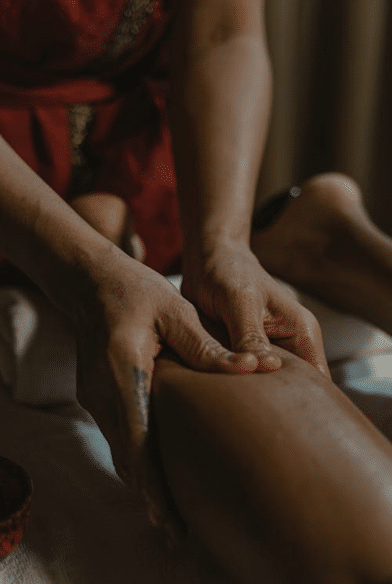
During a session, the massage therapist applies pressure using their fingers, elbows, or forearms to target the body’s most affected areas. This pressure might feel intense at first, but it allows the muscles to relax more fully once the tension is released. The result is a greater range of motion, reduced soreness, and a noticeable feeling of relief.
This type of massage also improves circulation. Better blood flow supports tissue repair and allows oxygen to reach stressed or inflamed areas more efficiently. The body responds by recovering faster from physical and emotional fatigue. Deep tissue massage doesn’t just fix symptoms—it helps reverse the effects of stress on the body.
Regulating the Nervous System
Beyond releasing tight muscles, massage has a significant effect on your nervous system. When muscles relax and breathing slows during a massage, your body shifts from a stress state to a recovery state. Cortisol, the primary stress hormone, begins to drop. The parasympathetic nervous system activates, supporting rest, digestion, and healing.
Over time, consistent therapeutic massage in Minneapolis teaches the body to respond better to stress. Muscles stop holding tension as quickly, and you may notice that stressful events have less impact on your mood and energy levels. Regular sessions also help with sleep, focus, and reducing fatigue—key outcomes for anyone dealing with long-term stress.
How to Make Massage Part of a Routine
Many people wait until pain or burnout is too intense before considering a massage. Making stress relief massage part of a routine can prevent that cycle. A 60-minute session once or twice a month is enough for most people to manage stress symptoms. If you work long hours at a desk, experience high mental pressure, or suffer from muscle stiffness, massage can help you stay ahead of the tension.
Massage also pairs well with other wellness practices like stretching, strength training, or mindfulness. Combined, they create a system of care that supports both body and mind. You don’t need to be in pain to benefit—massage is just as effective for prevention as it is for recovery.
Support Your Body with Consistent Care
Stress will always be part of life, but it doesn’t have to stay in your body. If you’re feeling tension in your muscles or struggling with sleep, stress relief massage can help you reset. Book a therapeutic massage in Minneapolis for long-term relief, or book a deep tissue massage or lymph drainage massage in Minneapolis to support your full recovery. Master of Massage is ready to help you take that next step toward feeling better.
Contact us today!